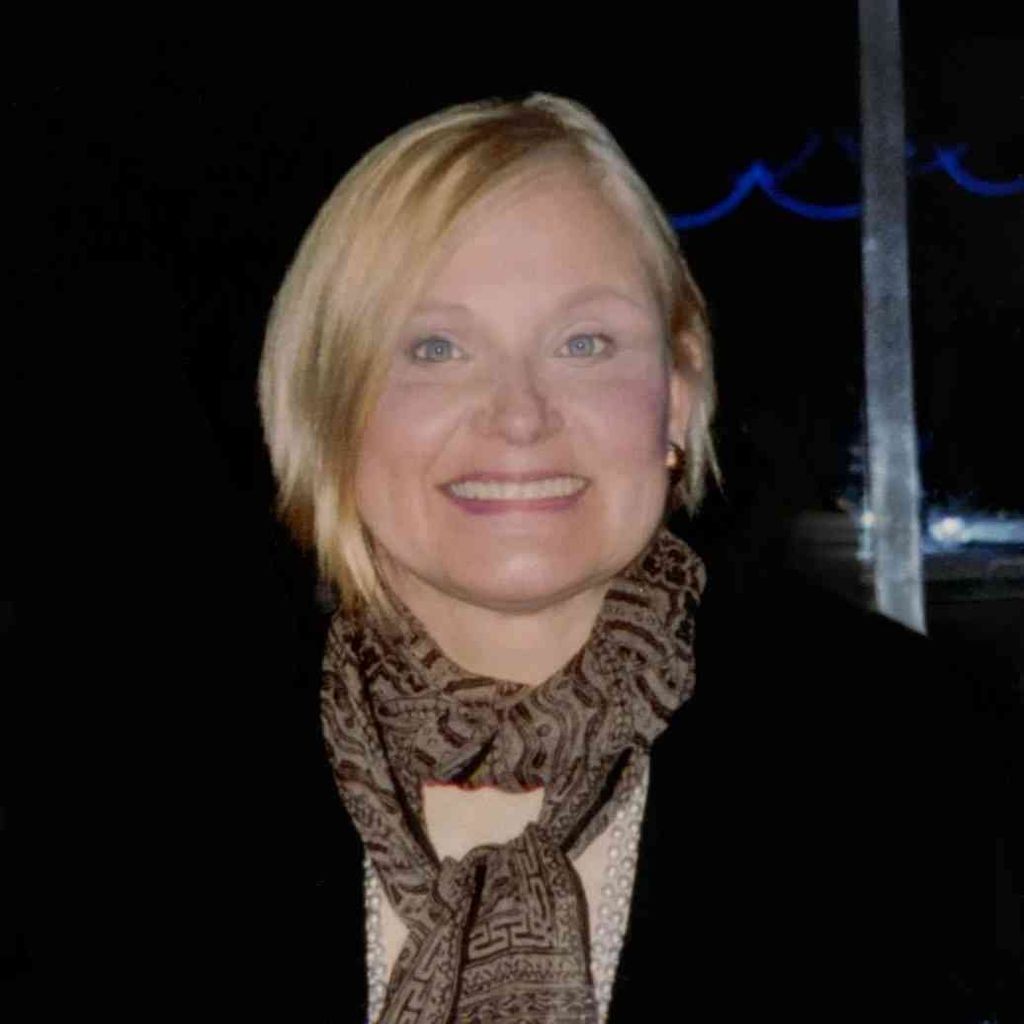
Edith Louise Gilbertson Litwiller
1942 - 2026
Share Edith Louise Gilbertson Litwiller's obituary with others.
Invite friends and family to read the obituary and add memories.
Stay updated
We'll notify you when service details or new memories are added.
You're now following this obituary
We'll email you when there are updates.
Please select what you would like included for printing:
Edie was born August 24, 1942 in Richland Center, Wisconsin, the second child of George Gilbertson and Harriet Onsrud. In the 1860s Per Gilbertson and Ole Onsrud left Norway for Wisconsin and worked with other immigrant families to build Tamarack Lutheran Church and French Creek Lutheran Church, establishing a farming community that came to be called the Norway Valley. Following two generations of farmers, George and Harriet were the first to go to college. George became a forensic accountant focused on the dairy industry, and his career moved his family to many towns in Wisconsin and neighboring states. His daughters Elaine and Edie spent summers back on the farms. Each year Edie looked forward to reuniting with family and friends at the County Fair.
Edie attended The University of Wisconsin, Madison. She loved art more than ‘60s counterculture, and she wanted to help people, so she changed her major from art to social work. During college she sailed and taught sailing on Lake Mendota with Peter Harken, and drove to Colorado with friends to ski.
After graduating in 1965, Edie landed a job as a flight attendant with Northwest Orient Airlines during the most exciting era in aviation history, the dawn of the Jet Age. Based in Minneapolis, she served on propeller aircraft to places like Fargo, North Dakota, and on jets to places like Tokyo. She loved flying to Los Angeles where she could visit her Aunt Florence.
After five years of traveling for a living, Edie was drawn to Silicon Valley by her future husband, computer scientist Robert Litwiller. After circumnavigating the globe on their honeymoon, Edie and Robert had a son they named Eric. In 1973 the family moved to Paris, where Edie learned French and skied the Alps. After returning to Silicon Valley, Edie and Robert divorced, but they each remained in Palo Alto for the rest of their lives, providing stability for their son.
During Eric’s younger years, Edie devoted herself to him, cooking recipes she learned in Paris, sewing costumes and banners for his activities, bringing him to the Norway Valley to help on the farms, teaching him to sail and ski, and dragging him to All Saints Episcopal Church, Grace Cathedral, and art museums – knowing that he would appreciate it later. As he became more independent, she worked as a travel agent, and later served in various roles at Stanford University. Edie was proudest of her work in the Biochemistry Department, helping Dr. Ron Davis write grant proposals during the Human Genome Project.
In 1984 Edie bought the condominium near University Avenue that she would call home for the next 42 years. When Eric left for college, Edie found more time to travel, ski, paint, and play tennis. Before the internet and cell phones simplified travel, she had already visited three dozen countries. She rented an art studio in the redwoods near Skyline Boulevard, where she worked in oils. Some of her paintings were purchased by local restaurants, and her skills drew the attention of Thomas Kinkade, who offered her a job that she politely declined. For decades she participated in the Bay Area Tennis Society and Stanford Singles tennis groups, where she made close friends with other retirees. If this era of her life was like The Golden Girls, Edie was like Betty White – slight Midwestern accent, unfailingly sweet and kind, naive demeanor masking a wry sense of humor and deep wisdom.
Edie is predeceased by her sister Elaine Long (1937-2023) and survived by her son Eric Litwiller and his daughter Anna. Edie’s ashes will be buried in the Norway Valley, at Tamarack Lutheran Church, next to her parents.
Edith Louise Gilbertson Litwiller's Guestbook
Visits: 941
This site is protected by reCAPTCHA and the
Google Privacy Policy and Terms of Service apply.
Service map data © OpenStreetMap contributors