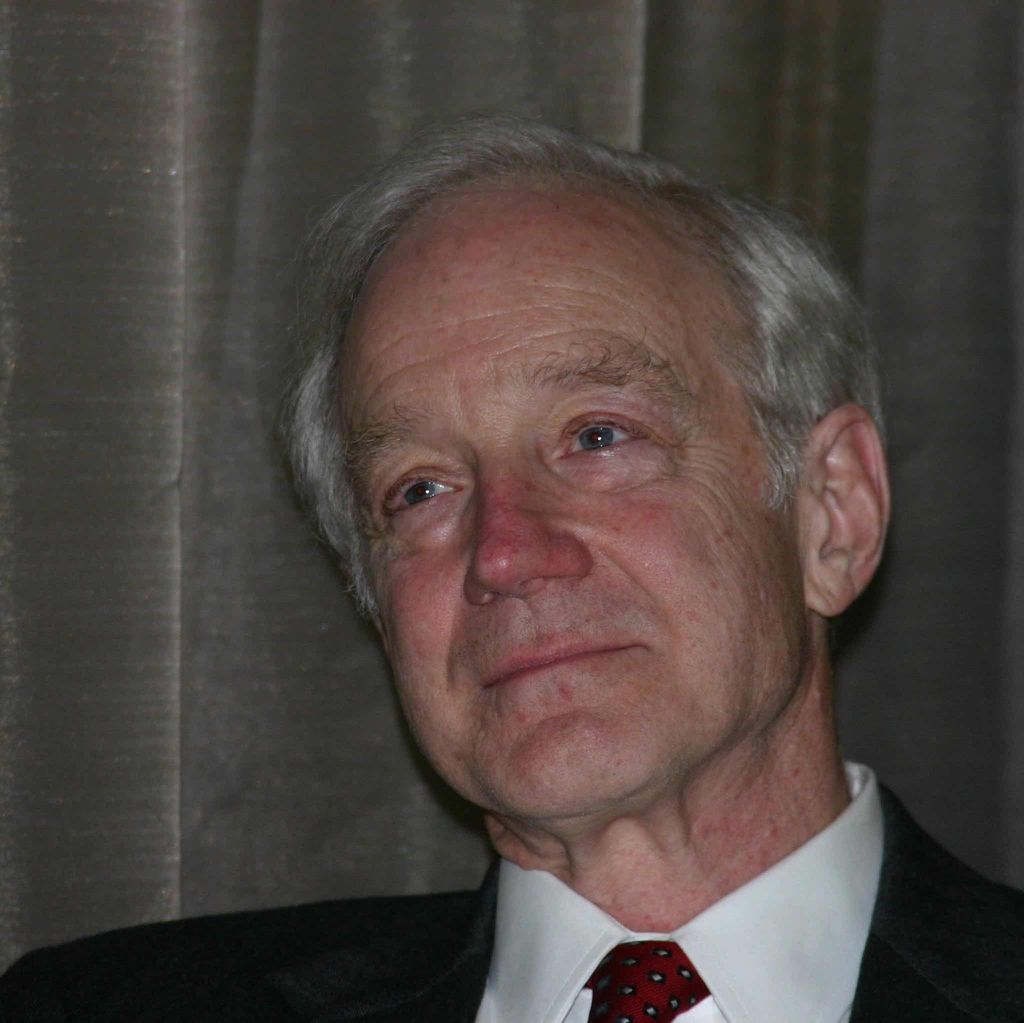
Myron Arms Hofer
1931 - 2026
Share Myron Arms Hofer's obituary with others.
Invite friends and family to read the obituary and add memories.
Stay updated
We'll notify you when service details or new memories are added.
You're now following this obituary
We'll email you when there are updates.
Please select what you would like included for printing:
Dr. Myron Arms Hofer, a pioneer in developmental psychobiology and Professor Emeritus at Columbia University, passed away peacefully on March 29, 2026, at the age of 94. While he was known as a leader and mentor in his field, those who knew him best remember him as a kind man of curiosity, gentle wisdom, and a deep love for both the grand, expansive vistas and microscopic mathematics of nature.
Born in New York City on December 20, 1931, Myron was the son of Philip Hofer, the founder of Harvard's Department of Printing and Graphic Arts, and Frances Louise Heckscher. Educated at Groton School and Harvard College, Myron earned his M.D. from Harvard Medical School in 1958.
His clinical research at the National Institute of Mental Health on parental bereavement kindled a lifelong quest to understand the biological impact of separation. In 1984, he joined the faculty at Columbia University College of Physicians and Surgeons, later serving as the Director of the Sackler Institute for Developmental Psychobiology. His book, The Roots of Human Behavior (1981), revealed the "hidden regulators" of the mother-infant bond—showing how sensory interactions quietly modulate an infant's heart rate and sleep. His work demonstrated that our earliest relationships are written into our very biology. He is a past president of the International Society for Developmental Psychobiology and the American Psychosomatic Society.
Outside the laboratory, Myron loved to enjoy the outdoors with his family, especially sailing and exploring the islands of the Penobscot Bay, and skiing, which he continued into his 80s. He loved his home in Cornwall, Connecticut, where he spent decades tending to the land, finding deep satisfaction gardening with his wife, pruning, clearing, and maintaining the landscape that served as a backdrop for family gatherings and quiet evening reflection.
Myron was predeceased by his wife of nearly 70 years, Lynne Hofer, a social worker and founder of Young Filmmakers. He is survived by his three children, Timothy, Nina, and Andrew, as well as eight grandchildren and four great-grandchildren.
In his final years, Myron often remarked that the epigenetic revolution seemed to have validated what he had observed in his decades of research: that we are shaped, heart and soul, by the people we love. He leaves behind a field of science transformed by his intellect and family and friends forever marked by his kindness and generosity.
Myron Arms Hofer's Guestbook
Visits: 106
This site is protected by reCAPTCHA and the
Google Privacy Policy and Terms of Service apply.
Service map data © OpenStreetMap contributors