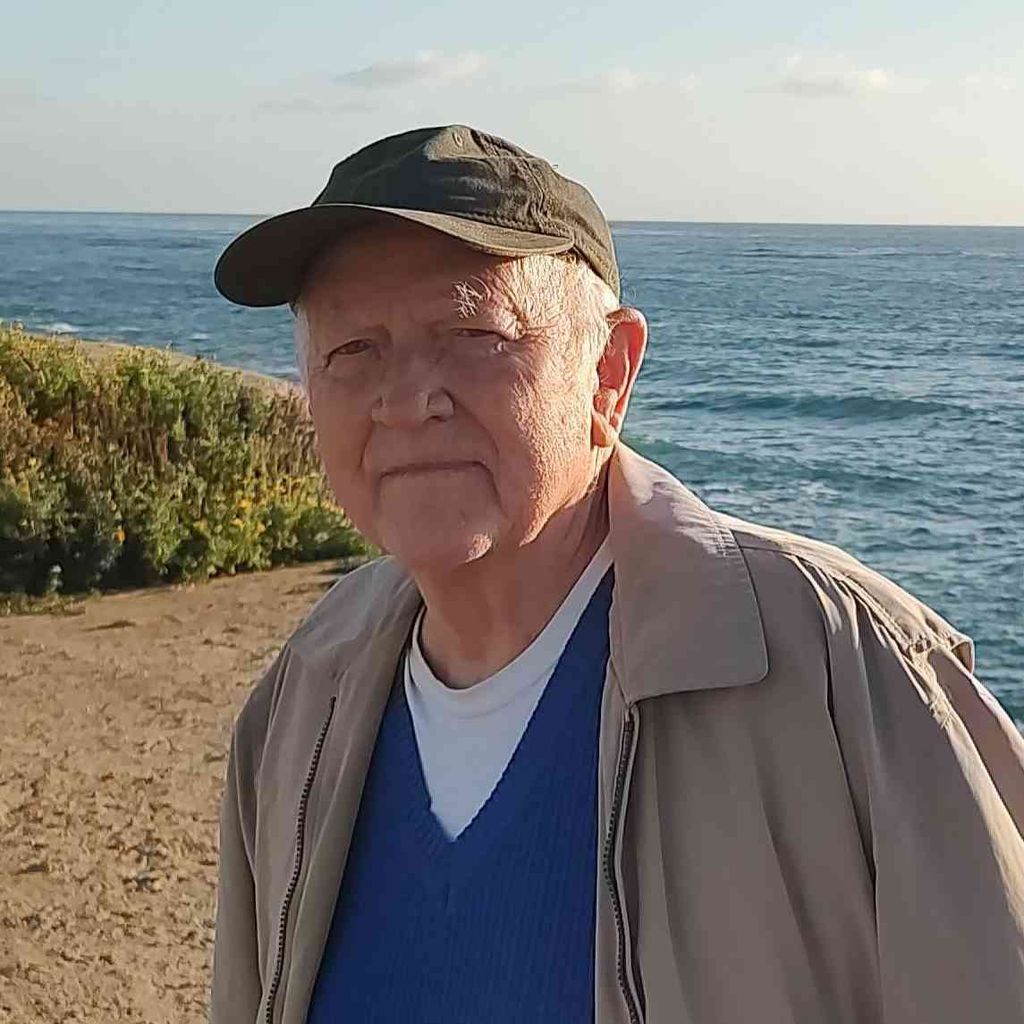
Simion Micu
1938 - 2025
Share Simion Micu's obituary with others.
Invite friends and family to read the obituary and add memories.
Stay updated
We'll notify you when service details or new memories are added.
You're now following this obituary
We'll email you when there are updates.
Please select what you would like included for printing:
Family always came first. As the only male child survivor in the family, he felt the responsibility of caring for the family farm once his parents were no longer able to do so. I have fond memories of accompanying him there over countless weekends, throughout my childhood, with him transitioning from long engineering work weeks in the city where we lived to hard days of physical work, making sure crops and animals were all tended to. We worked side by side, and to this day I am grateful for weekends in open fields or under fruit trees, around horses, cows, pigs, sheep, chickens and geese - the unmistakable and peaceful cacophony of a small family farm at sunset fading into quiet nights in front of a fire.
He came to a new country as an adult and—true to his nature—taught himself English. No shortcuts, no excuses. Just quiet persistence. He built a life here the same way he designed a factory, apartment building, or a bridge: methodical in his detail, with pride and care.
My dad was a Civil Engineer, and a damn good one. Growing up in a active seismic zone, I remember the pride I would feel telling my friends that my dad designed buildings to withstand earthquakes. And my dad was proud to have his family live in one of them - through three earthquakes above 7.5 during the first 18 years of my life.
He loved the sun, traditional Romanian food, and any excuse to make sure people were well fed. If you came to his home, you weren't leaving hungry. That was his way of caring—through action more than words.
He was also a man who loved animals and they always responded in kind. I remember we once visited a ranch in Arizona with a donkey pasture. My dad started talking with them. Soon enough, one came over to get pet. Before long, all of them were crowded next to him, angling for his hand. Maybe it was their honesty, or maybe he just liked their company, but he always had a quiet kindness toward them.
In recent years, as I helped care for him, I saw a different side of my dad—one I hadn't known before. The man who had once been so serious, so focused and precise, became gentle and curious, almost childlike. There was a sweetness in him that dementia somehow revealed instead of erased. While it was heartbreaking at times, it was also beautiful. I got to know a side of him that smiled more, that reached out for connection, that found wonder in small things.
During the three years he spent as a widower, he missed my mother, Elena, terribly. I take some comfort in believing that they're together again, probably having coffee in the sun, arguing over whether he should have added more salt to the sarmale.
My father was many things: hardworking, polite, stubborn, brilliant, and deeply human. He taught me to stand up for what I believe in, to do things right for the sake of right, especially when no one's watching, and to never underestimate the strength of quiet people.
I'll miss him. But I'll also carry him with me—in every decision I make, every time I fix something instead of replacing it, and every time I insist on making one more serving of food than we actually need.
You did your work, and you did it well.
Odihnește-te in pace, tata.
Funeral services will take place at Mt Hope Cemetery, located at 3751 Market St, San Diego, CA 92102, on Friday, Nov 14, at noon.
Simion Micu's Guestbook
Visits: 70
This site is protected by reCAPTCHA and the
Google Privacy Policy and Terms of Service apply.
Service map data © OpenStreetMap contributors