Wesley Daniel Stephens

Wesley Daniel Stephens
Obituary
Guest Book
Wesley Stephens Obituary
July 24, 1927 - February 15, 2024
After he moved into assisted living at age 87, Wesley drove his sons and daughters crazy by periodically unplugging his computer components, shuffling them around, and occasionally getting them to work again. But this habit came from a lifetime of repairing things. He couldn't bear to sit long without jumping up to tinker with something. He put a car jack beneath his bed in the assisted living apartment to raise the mattress for sheet-changing. He repaired everyone's walkers.
Decades earlier, in the 1960's, Wesley had given his children pre-war bicycles that he had rescued from junk heaps and restored. Wesley painted them banana yellow so that when the neighborhood kids laid aside their new bikes to borrow the heavy prewar ones that were steadier for doing tricks, Wesley could spot them blocks away. He could mend anything with strips of inner tubing. He made a go-kart with headlamps that were candles inside tin cans, and if you pulled on a string attached to the tin-can lids, the headlights blinked. When his children grew up and had houses of their own, Wesley made them custom shelving, extension-cord reels, brick paths, and fenced vegetable gardens. He mended untold numbers of sprung umbrellas. Once he was discovered using a steam iron to flatten some plastic gutter guards that had twisted in the sun.
Wesley grew up during the Depression in Athens, Georgia, with a father who managed a garage and a mother who was a wizard seamstress. They came from Appalachian stock. Wesley's earliest memories were of his parents pointing out interesting or beautiful things to him and his siblings while saying, "Look! Listen!"
At age 18 he joined the Navy and was put on a tugboat to the Panama Canal just before World War II ended. He was a mostly obedient seaman, but he persuaded the medical officer to prescribe white cotton socks for his athlete's foot, which made his commanding officer grit his teeth during inspections. "The doctor forgot to date the prescription," remembered Wesley happily.
After the war, he returned to his studies at the University of Georgia. The story ran that he had intended to major in French until he failed Introductory French three times. Finally, after declaring and dropping several more majors, he did graduate and entered the Candler School of Theology. He worked part-time at Rich's Department Store-where he practiced passive resistance to the Jim Crow laws by, among other things, drinking from the "Colored" water fountains. He said that much of the food eaten by white people was prepared by black people, which made whites' worries about fountains both self-deluded and mean. This continued after he became a minister. According to someone who was there, once when he was out with a group of colleagues, one of them said, "Wesley, you realize you are drinking colored water?" Wesley, in his suit, got down on his knees to figure out where the colored water was coming from. Tracing the pipe backwards from the basin, he "discovered" it merged with the white water (where the inflow pipe split). Standing up, he looked at the man piercingly and said, "You've been drinking colored water your whole life and didn't realize it."
On a mission trip, he met Annette Aiken, a farm girl who had attended the Georgia State College for Women to become a science teacher. They both loved the outdoors, believed fiercely in gender equality, had a zest for innovation, and believed that religion was about helping one's fellow human beings on earth. After their marriage in 1952, they lived for a few months in a converted trolley car with a potbelly stove, until they went to Wesley's first fulltime appointment as a Methodist minister. He delivered memorable sermons of practical advice about how to care for others, but even more important to him was his direct ministering to members of the congregation. When he was in his nineties and asking whether he had really done any good on this planet, he reminded himself of specific people who had sought him out to say that years earlier, a conversation with him had changed their lives. He said he never remembered what he had said in those conversations, only that he had talked with them-sometimes while walking in the woods.
Wesley and Annette raised four children with loving creativity. Wesley made pastoral visits at night so that he could take time in mid-afternoon to play with them. Vacations were camping trips on the Blue Ridge Parkway, where the kids made their own worlds beneath the laurel thickets, in the rolling fog. One year Wesley and Annette withdrew all of their savings, borrowed on life insurance, and took the kids camping across the western United States. Years later, they again withdrew all of their savings and camped across western Europe. On these trips, Wesley had a knack for finding wildflowers and birds everywhere, even in parking lots. ("Look! Listen!")
Wesley and Annette led Methodist day camps for children, showing them how to weave grass mats, cook meat and vegetables on the coals, and read the woodland ecology. Any time Wesley met a child anywhere, he showed them that flower petals looked frosted through a magnifying glass. Actually, he loved meeting anyone. In his eighties, he taught three strangers at the farmer's market how to dance the "Scotch Hop."
In retirement, he and Annette moved back to Atlanta to live near their toddler granddaughter, and they joined Glenn Memorial United Methodist. They reveled in learning new approaches to social issues from fellow church members. Wesley reveled in teaching his granddaughter to ride bike and to garden. As she grew up, Wesley bragged about her to anyone who cared to listen and some who didn't.
Wesley's sense of humor was so characteristic that a friend once grumbled that Wesley could see the bright side of anything. Although caretaking Annette in her final years of dementia was a blow to Wesley's spirit, he continued to find good in the world after she died in 2017. In 2020, his own health began to fail, and by June of 2023, he seldom opened his eyes or spoke during the family's regular Zooms. One evening, however, after one of his daughters commented that he and Annette had hiked down into the Grand Canyon four times, Wesley piped up-eyes still closed-"And what's more, we hiked back out four times."
Wesley died in his sleep at age 96 in the memory unit of Brighton Gardens, surrounded by his family's love. He leaves behind his children, Lynn, Dan, Dot, and Jimmy Stephens; his daughter-in-law, Ann Berry; his granddaughter, Helen Stephens; his sister, Mickey Hughes; his brother, Curtis Stephens; and his sister-in-law, Alethea Taylor.
A memorial service will be held at Glenn Memorial United Methodist Church at a later date. In lieu of flowers or tree plantings, please send donations to the Blue Ridge Parkway Foundation to help preserve the endangered campgrounds that Wesley loved so well: https://www.brpfoundation.org/donate. Their online donation button is at the bottom of their webpage.
To plant a beautiful memorial tree in memory of Wesley, please visit our Tree Store.
To plant trees in memory, please visit the Sympathy Store.
2773 North Decatur Road P.O. Box 4000, Decatur, GA 30031
People and places connected with Wesley
Recent Obituaries
Recent Obituaries
Recent Obituaries
Recent Obituaries
4 Entries
Lynn Stephens
February 21, 2024
My sister wrote a beautiful long form obituary. You can see it at the A.S. Turner & Sons site but I am pasting a copy of it here for those of you who have asked for it.
After he moved into assisted living at age 87, Wesley drove his sons and daughters crazy by periodically unplugging his computer components, shuffling them around, and occasionally getting them to work again. But this habit came from a lifetime of repairing things. He couldn't bear to sit long without jumping up to tinker with something. He put a car jack beneath his bed in the assisted living apartment to raise the mattress for sheet-changing. He repaired everyone's walkers.
Decades earlier, in the 1960's, Wesley had given his children pre-war bicycles that he had rescued from junk heaps and restored. Wesley painted them banana yellow so that when the neighborhood kids laid aside their new bikes to borrow the heavy prewar ones that were steadier for doing tricks, Wesley could spot them blocks away. He could mend anything with strips of inner tubing. He made a go-kart with headlamps that were candles inside tin cans, and if you pulled on a string attached to the tin-can lids, the headlights blinked. When his children grew up and had houses of their own, Wesley made them custom shelving, extension-cord reels, brick paths, and fenced vegetable gardens. He mended untold numbers of sprung umbrellas. Once he was discovered using a steam iron to flatten some plastic gutter guards that had twisted in the sun.
Wesley grew up during the Depression in Athens, Georgia, with a father who managed a garage and a mother who was a wizard seamstress. They came from Appalachian stock. Wesley's earliest memories were of his parents pointing out interesting or beautiful things to him and his siblings while saying, "Look! Listen!"
At age 18 he joined the Navy and was put on a tugboat to the Panama Canal just before World War II ended. He was a mostly obedient seaman, but he persuaded the medical officer to prescribe white cotton socks for his athlete's foot, which made his commanding officer grit his teeth during inspections. "The doctor forgot to date the prescription," remembered Wesley happily.
After the war, he returned to his studies at the University of Georgia. The story ran that he had intended to major in French until he failed Introductory French three times. Finally, after declaring and dropping several more majors, he did graduate and entered the Candler School of Theology. He worked part-time at Rich's Department Store-where he practiced passive resistance to the Jim Crow laws by, among other things, drinking from the "Colored" water fountains. He said that much of the food eaten by white people was prepared by black people, which made whites' worries about fountains both self-deluded and mean. This continued after he became a minister. According to someone who was there, once when he was out with a group of colleagues, one of them said, "Wesley, you realize you are drinking colored water?" Wesley, in his suit, got down on his knees to figure out where the colored water was coming from. Tracing the pipe backwards from the basin, he "discovered" it merged with the white water (where the inflow pipe split). Standing up, he looked at the man piercingly and said, "You've been drinking colored water your whole life and didn't realize it."
On a mission trip, he met Annette Aiken, a farm girl who had attended the Georgia State College for Women to become a science teacher. They both loved the outdoors, believed fiercely in gender equality, had a zest for innovation, and believed that religion was about helping one's fellow human beings on earth. After their marriage in 1952, they lived for a few months in a converted trolley car with a potbelly stove, until they went to Wesley's first fulltime appointment as a Methodist minister. He delivered memorable sermons of practical advice about how to care for others, but even more important to him was his direct ministering to members of the congregation. When he was in his nineties and asking whether he had really done any good on this planet, he reminded himself of specific people who had sought him out to say that years earlier, a conversation with him had changed their lives. He said he never remembered what he had said in those conversations, only that he had talked with them-sometimes while walking in the woods.
Wesley and Annette raised four children with loving creativity. Wesley made pastoral visits at night so that he could take time in mid-afternoon to play with them. Vacations were camping trips on the Blue Ridge Parkway, where the kids made their own worlds beneath the laurel thickets, in the rolling fog. One year Wesley and Annette withdrew all of their savings, borrowed on life insurance, and took the kids camping across the western United States. Years later, they again withdrew all of their savings and camped across western Europe. On these trips, Wesley had a knack for finding wildflowers and birds everywhere, even in parking lots. ("Look! Listen!")
Wesley and Annette led Methodist day camps for children, showing them how to weave grass mats, cook meat and vegetables on the coals, and read the woodland ecology. Any time Wesley met a child anywhere, he showed them that flower petals looked frosted through a magnifying glass. Actually, he loved meeting anyone. In his eighties, he taught three strangers at the farmer's market how to dance the "Scotch Hop."
In retirement, he and Annette moved back to Atlanta to live near their toddler granddaughter, and they joined Glenn Memorial United Methodist. They reveled in learning new approaches to social issues from fellow church members. Wesley reveled in teaching his granddaughter to ride bike and to garden. As she grew up, Wesley bragged about her to anyone who cared to listen and some who didn't.
Wesley's sense of humor was so characteristic that a friend once grumbled that Wesley could see the bright side of anything. Although caretaking Annette in her final years of dementia was a blow to Wesley's spirit, he continued to find good in the world after she died in 2017. In 2020, his own health began to fail, and by June of 2023, he seldom opened his eyes or spoke during the family's regular Zooms. One evening, however, after one of his daughters commented that he and Annette had hiked down into the Grand Canyon four times, Wesley piped up-eyes still closed-"And what's more, we hiked back out four times."
Wesley died in his sleep at age 96 in the memory unit of Brighton Gardens, surrounded by his family's love. He leaves behind his children, Lynn, Dan, Dot, and Jimmy Stephens; his daughter-in-law, Ann Berry; his granddaughter, Helen Stephens; his sister, Mickey Hughes; his brother, Curtis Stephens; and his sister-in-law, Alethea Taylor.
A memorial service will be held at Glenn Memorial United Methodist Church at a later date. In lieu of flowers or tree plantings, please send donations to the Blue Ridge Parkway Foundation to help preserve the endangered campgrounds that Wesley loved so well: https://www.brpfoundation.org/donate. Their online donation button is at the bottom of their webpage.
Jeffrey Sweet
February 20, 2024
He, like all of Glenn Memorial made us feel at home. He was a delight to talk to. Always had a fun story to tell....He is missed.
Mackay Asbury
February 20, 2024
I will always remember with love, joy and laughter going on Glenn Memorial UMC Fall Family Camping Trips with Wesley, especially the year he brought a pair of stilts that he had made by hand. He was like the Pied Piper of Church Camping.
Kathleen Smith
February 19, 2024
We are long term members of FUMC Athens and always appreciated Wesley's kindness, service and sense of humor. He was one of our favorite members of the clergy and church. Katie and Fred Smith
How you can show support
Follow
Get email updates whenever changes are made.
Send flowers
Consider sending flowers.
Add photos
Share their life with photo memories.
Plant trees
Honor them by planting trees in their memory.
Donate in Memory
Make a donation in memory of your loved one.
Share this page
Invite other friends and family to visit the page.
Showing 1 - 4 of 4 results
Make a Donation
in Wesley Stephens's name


How to support Wesley's loved ones
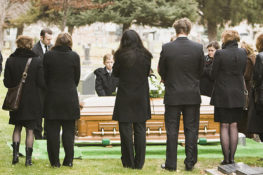

Should I Send Sympathy Flowers?
What kind of arrangement is appropriate, where should you send it, and when should you send an alternative?
Read more
What Should I Write in a Sympathy Card?
We'll help you find the right words to comfort your family member or loved one during this difficult time.
Read more
Resources to help you cope with loss

How to Cope With Grief
Information and advice to help you cope with the death of someone important to you.
Read more
Estate Settlement Guide
If you’re in charge of handling the affairs for a recently deceased loved one, this guide offers a helpful checklist.
Read more

Obituaries, grief & privacy: Legacy’s news editor on NPR podcast
Legacy's Linnea Crowther discusses how families talk about causes of death in the obituaries they write.
Read moreWays to honor Wesley Stephens's life and legacy
Obituary Examples
You may find these well-written obituary examples helpful as you write about your own family.
Read more

Obituary Templates – Customizable Examples and Samples
These free blank templates make writing an obituary faster and easier.
Read more
How Do I Write a Eulogy?
Some basic help and starters when you have to write a tribute to someone you love.
Read moreSponsored