These Obituaries Offer a Glimpse Into a Concentration Camp
by Legacy Staff
by Legacy Staff
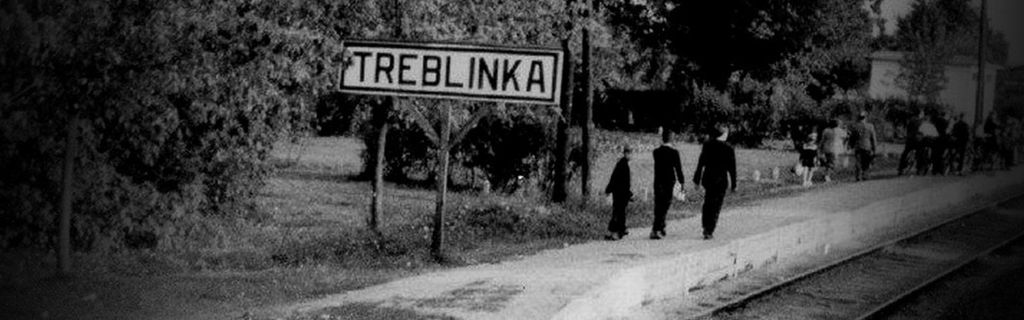
3 min readIn Holocaust survivors' obituaries, horrific places like Treblinka are mentioned alongside recollections of happy marriages and personal achievements.
When Samuel Willenberg died in 2016, the world lost its final witness to the horrors of the Treblinka extermination camp. As the camp's last survivor, Willenberg was a crucial voice; he told stories that needed to be heard. In the years after the war, he studied fine art and became a renowned sculptor, depicting scenes and people from Treblinka in his creations. Through his sculptures, he was able to convey the Holocaust to generations that will never know its horrors firsthand.
Now, nearly seven decades after World War II, the day is approaching when the last of the Holocaust survivors will be gone. Yet even in death, their stories remain vividly alive — if you know where to look.
The place to look, it turns out, is within their obituaries. Holocaust survivors and their families know the importance of sharing their memories; as the survivors die and loved ones are called on to distill their lives into a few paragraphs, mentions of horrific places like Treblinka show up alongside recollections of happy marriages and personal achievements.
These obituaries are more than loving reflections of survivors' legacies; they're also valuable historical documents.
Take a glimpse into the past.
Morris "Moishe" Kornberg was, like Willenberg, dedicated to telling the stories of the Holocaust to ensure that younger generations know about this awful chapter in history:
Aside from his brother, Arie, who immigrated to Palestine in 1933, the remainder of his family was sent to Treblinka, where they met the same fate as the other six million Jews who perished during the Holocaust. Moishe was deported to Auschwitz in 1941, where he slaved for four years in a coal mine. He was on two death marches between concentration camps before being liberated in Theresienstadt on May 3, 1945. ... Moishe understood the importance of sharing his life story so that history would never repeat itself, and frequently spoke to children and teens at schools across the country.
Asked why he never removed the tattoo on his arm, "Siggy" answered: "I'm not embarrassed by it. The people who put it there should be embarrassed by it." In his presentations, "Siggy" described the horrors of the Holocaust, but his central message was one of tolerance. "You can't blame everybody for somebody," he said.
See the Memorial to Holocaust Survivors
TAGS