
This Grieving Father Pledged to End the Addiction Epidemic
by Legacy Staff
by Legacy Staff
3 min readJim Hood is determined that his son’s overdose will not be in vain—and now Facing Addiction with NCADD is backing him up.
I had a horrible feeling that late October Friday in 2012. God knows, I’d been in that situation many times before: wondering if my son Austin was OK. But this time felt different.
That previous Wednesday, he left voicemails that sounded confused — from a friend's phone, because Austin had misplaced his, again. On Thursday, Austin sent texts from that same phone. Something wasn't right. I called the friend, whom I didn’t know, to tell him I was concerned about my son, and I asked him to have Austin call me. Several hours later, the friend called to say he went to Austin's apartment, but no one was home.
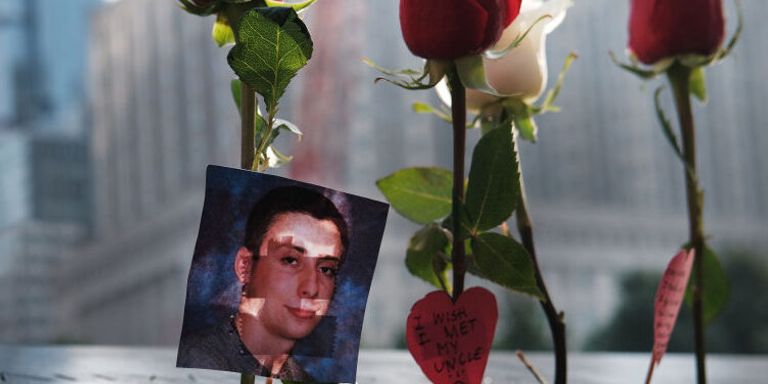
I thought about getting on a plane to New Orleans to make sure everything was all right. I don't know why this time seemed so different; it just was. A few hours later I received a blocked call. I couldn’t answer in time, and there was no message. Three minutes later a call came in with a New Orleans area code. It was the coroner saying my beautiful boy was found slumped over his kitchen table, dead from an opioid overdose.
Austin's journey was over. Mine was just beginning.
Are you grieving the loss of a loved one to addiction? Find community in our Addiction Loss grief support group.
Like every son or daughter, Austin was a wonderful person. He had his issues, but mostly he was just a kid trying to grow up in a world that throws endless challenges at all of us — some we understand, some we don't; some we share, some we keep hidden deep within. A loving boy with a huge heart, incredible mind, and amazing sense of humor, he was on his way to becoming a world-class guitarist. Austin loved John Mayer, and was nearly as good.
But at age 14, we discovered Austin was drinking. We were deeply concerned and sought help. By 15, we found pipes and marijuana in his room. Our concern intensified, and we sought more help. By the time Austin was 16, he was using opioids.
The next three years were a blur of therapists, interventions, wilderness programs, therapeutic boarding schools, and ER visits. Three years later, Austin was doing great. He went off to college with new-found determination and optimism. But in the middle of sophomore year, he was struggling again. He took time off and entered an intensive outpatient program. He completed that program, got a great job, and everything was looking up again. Until those 48 hours that I will never be able to understand or reconstruct. Until the phone call came that would bring any parent to his or her knees. Until he lost his battle and I lost my son.
Someone said losing a child is the greatest pain we will ever face. They were right.
Looking back, I wondered why it was so difficult to help Austin. Why did he have to go to 18 different people or places for help? Why was there no roadmap? Why did I feel like we were lurking in shadows the entire time? Wasn’t there anyone out there who’d figured out what needs to be done?
I soon came to understand our family’s journey was far from unique. But even in Westport, Connecticut, society wants to pretend addiction is not the horrific problem it is.
TAGS